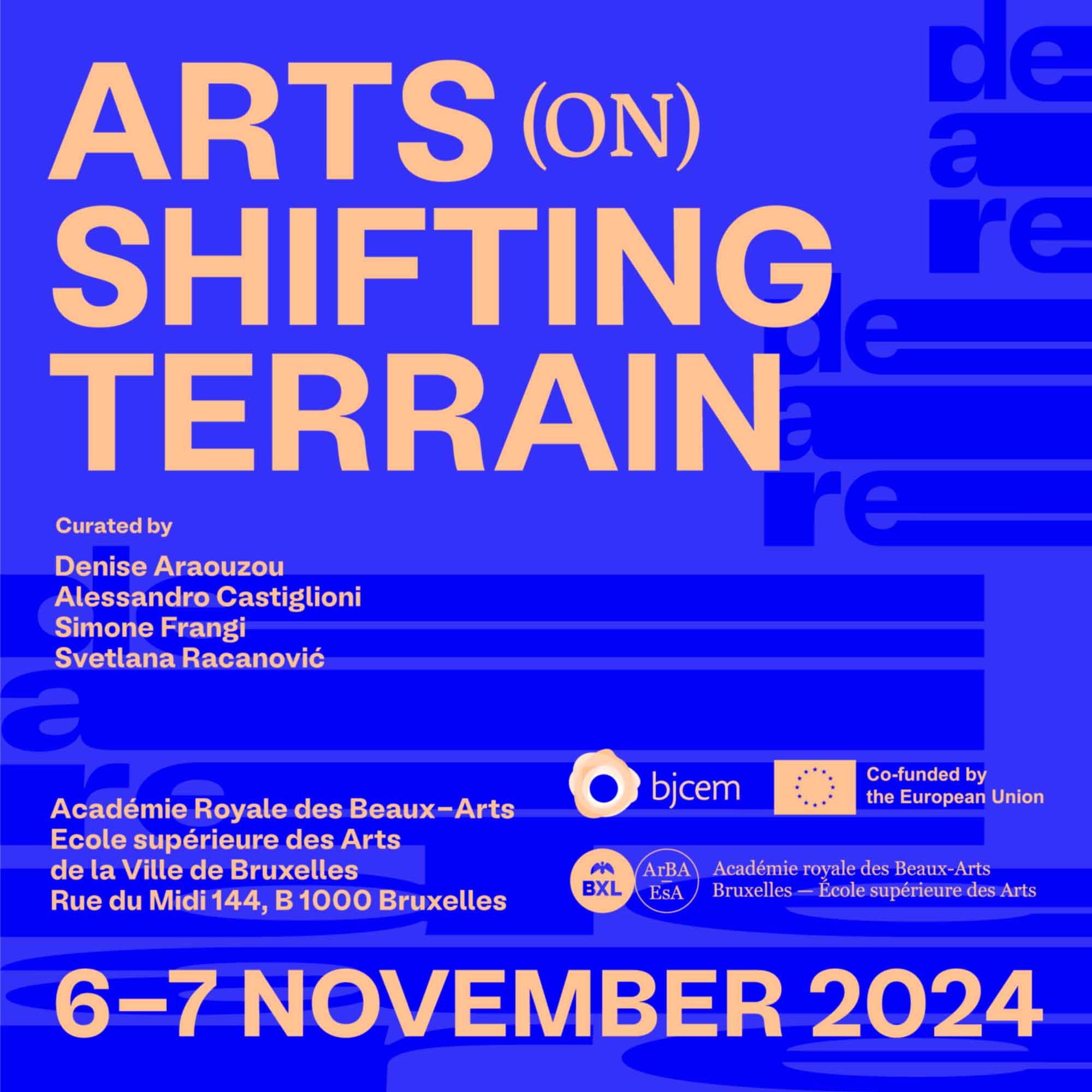
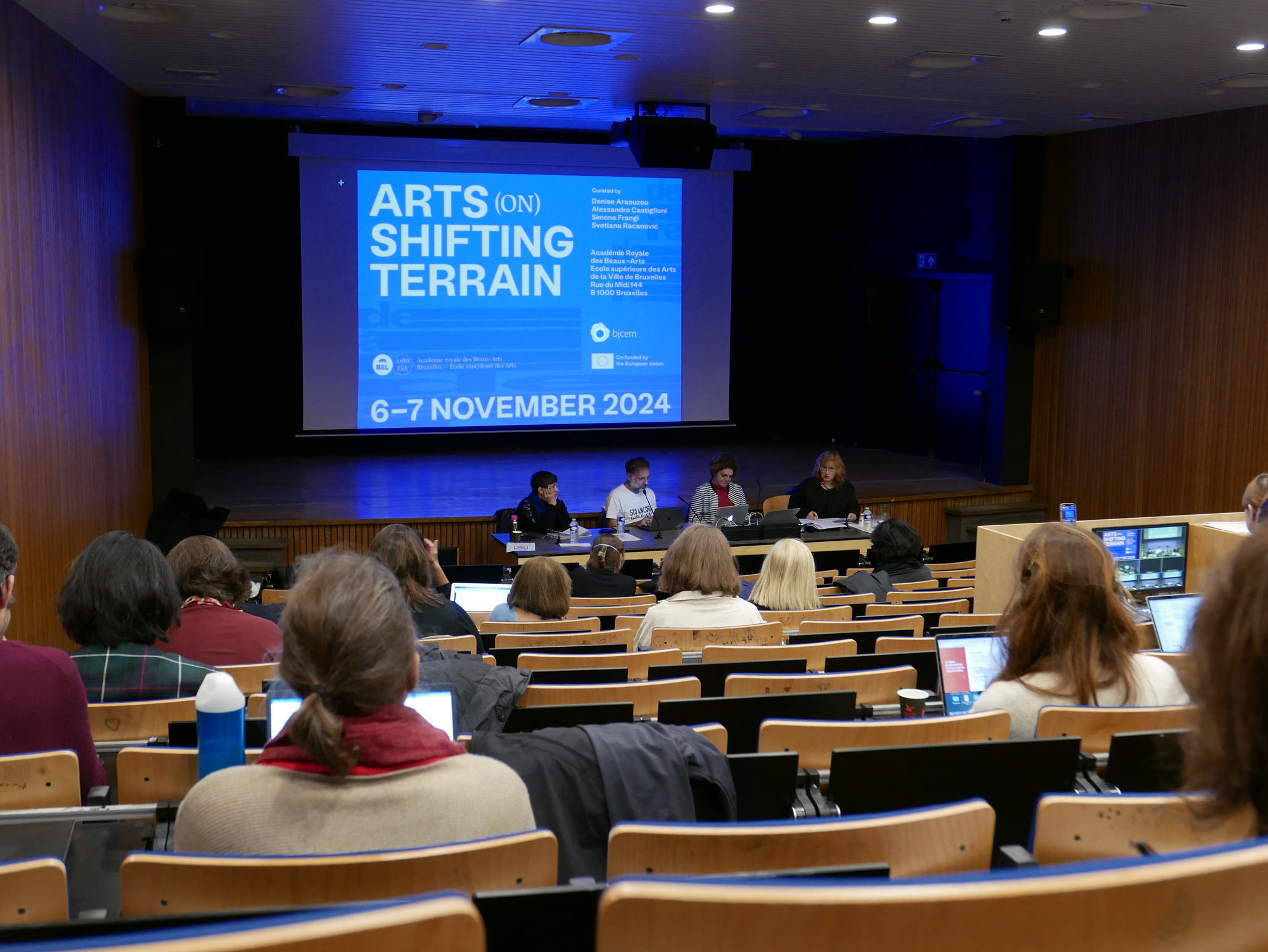
Program – Arts (on) Shifting Terrain
[November 6, 2024]
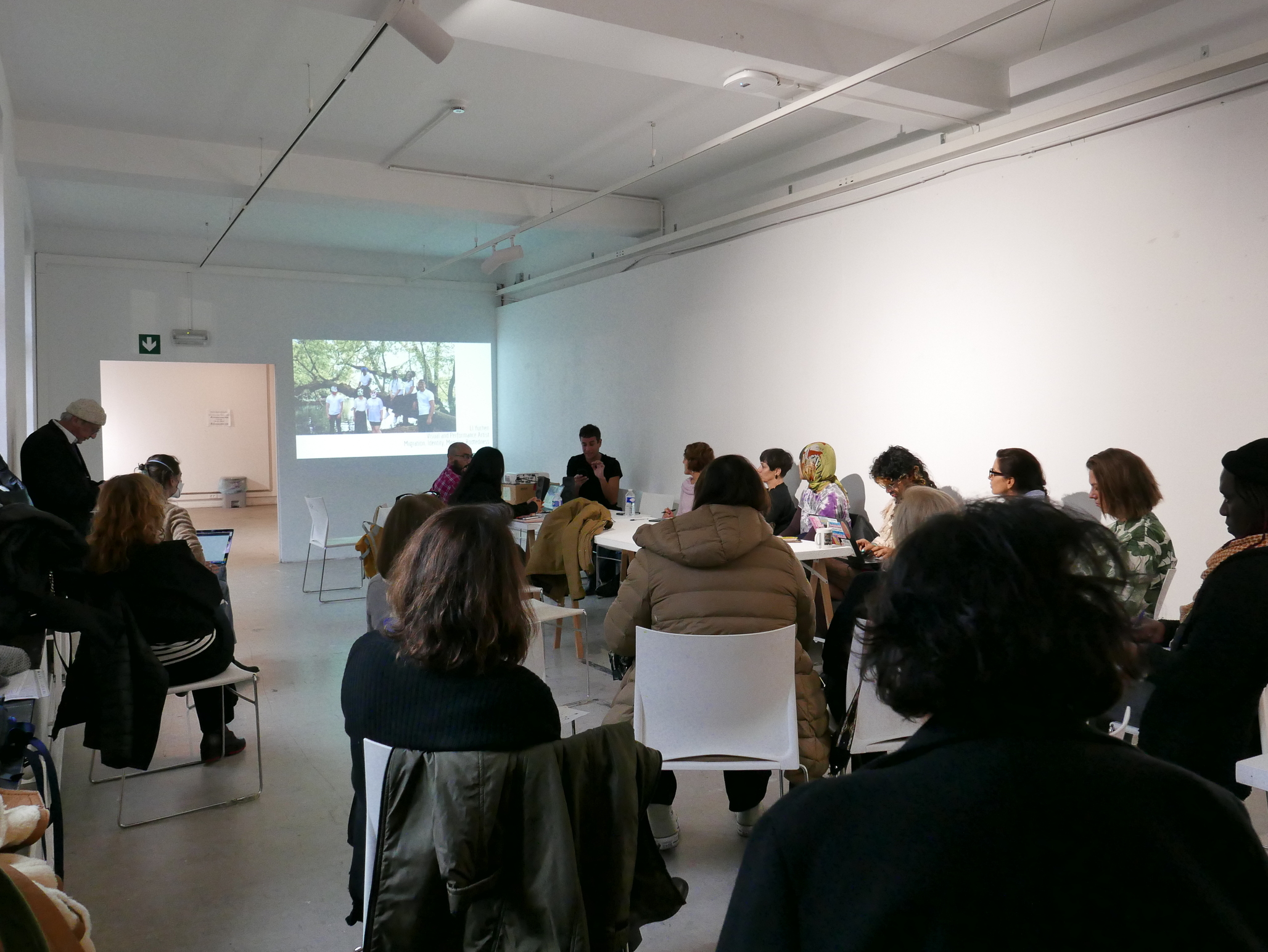
9 AM – 10 AM Registration and Welcome
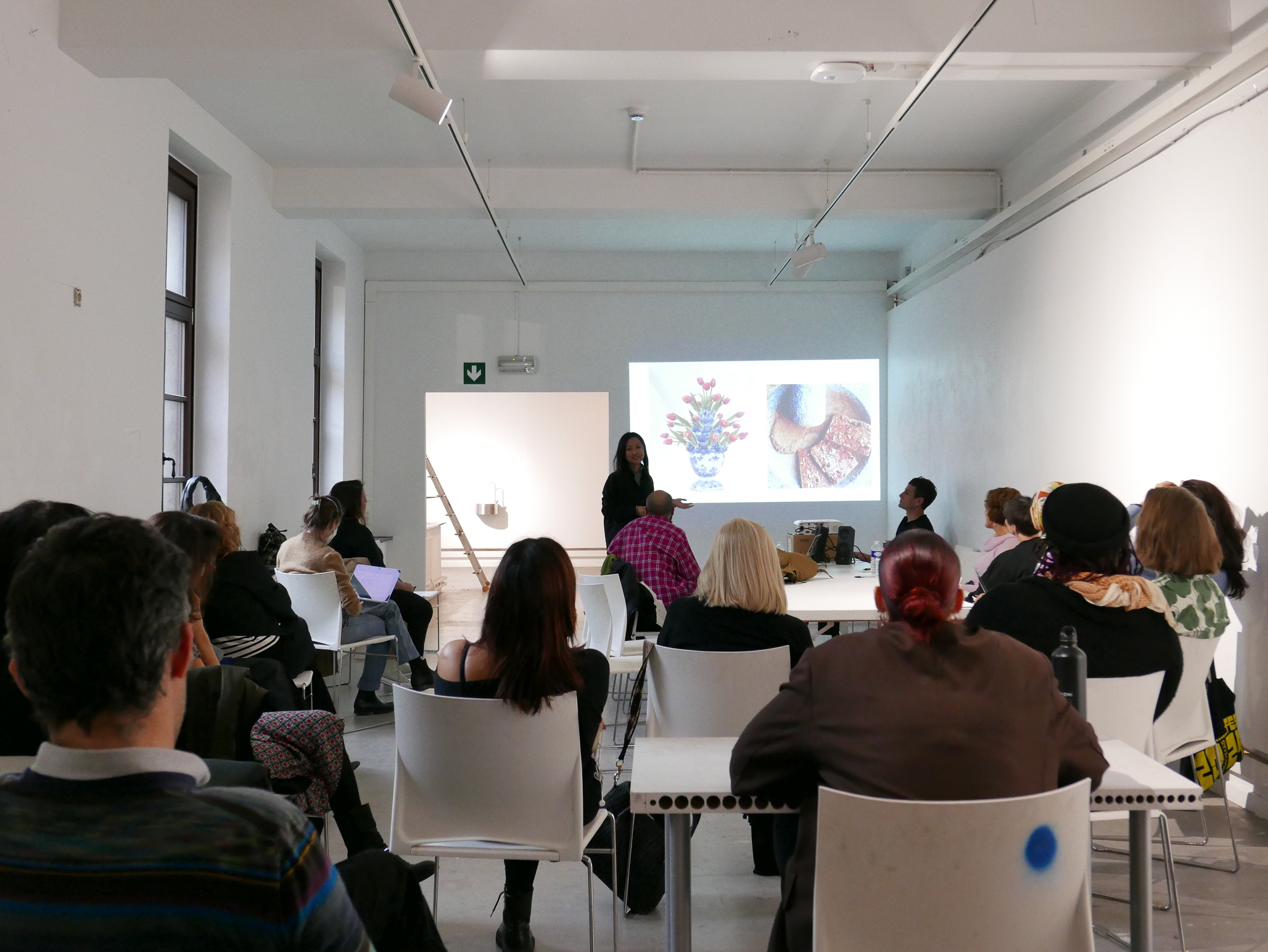
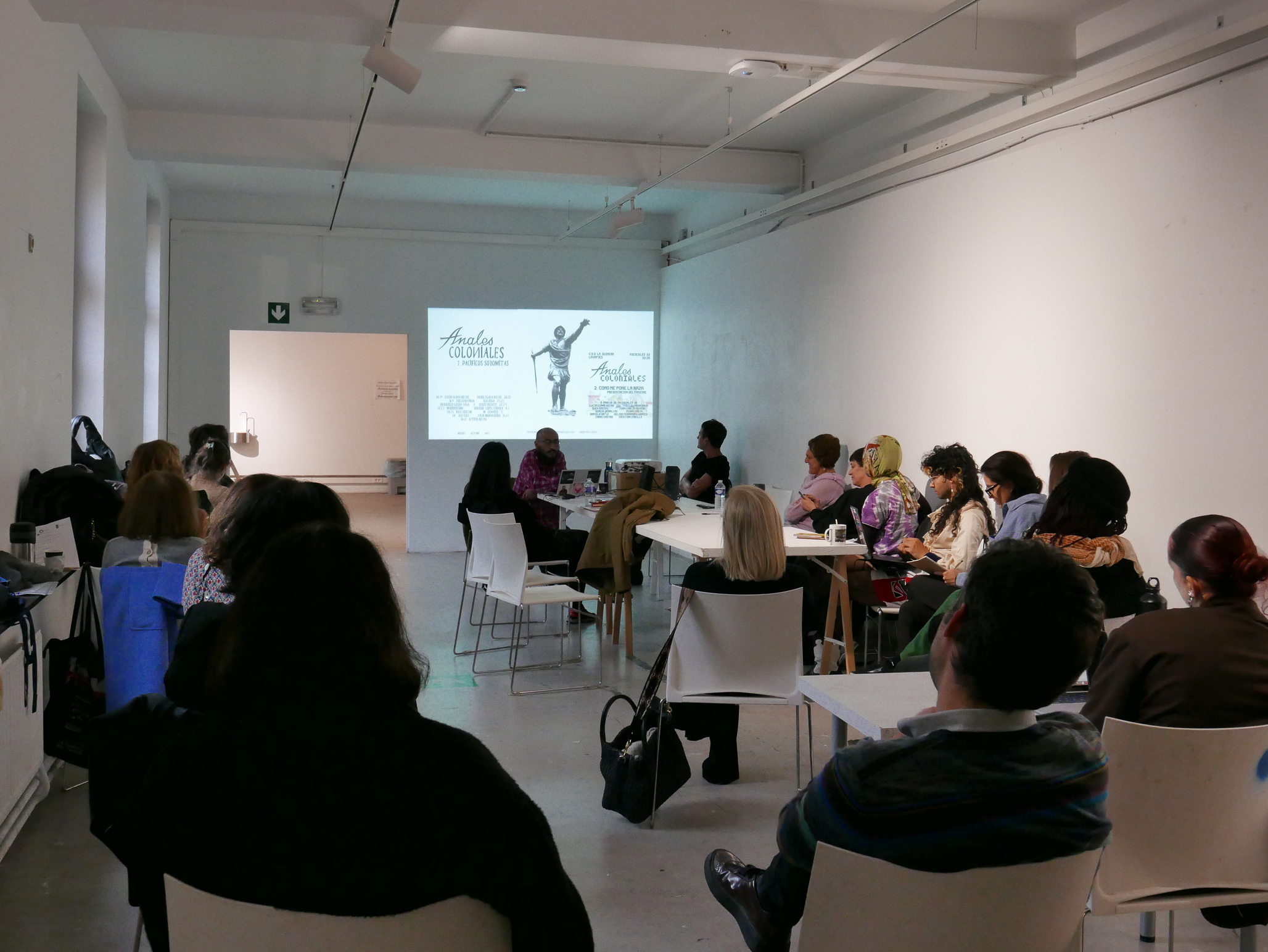
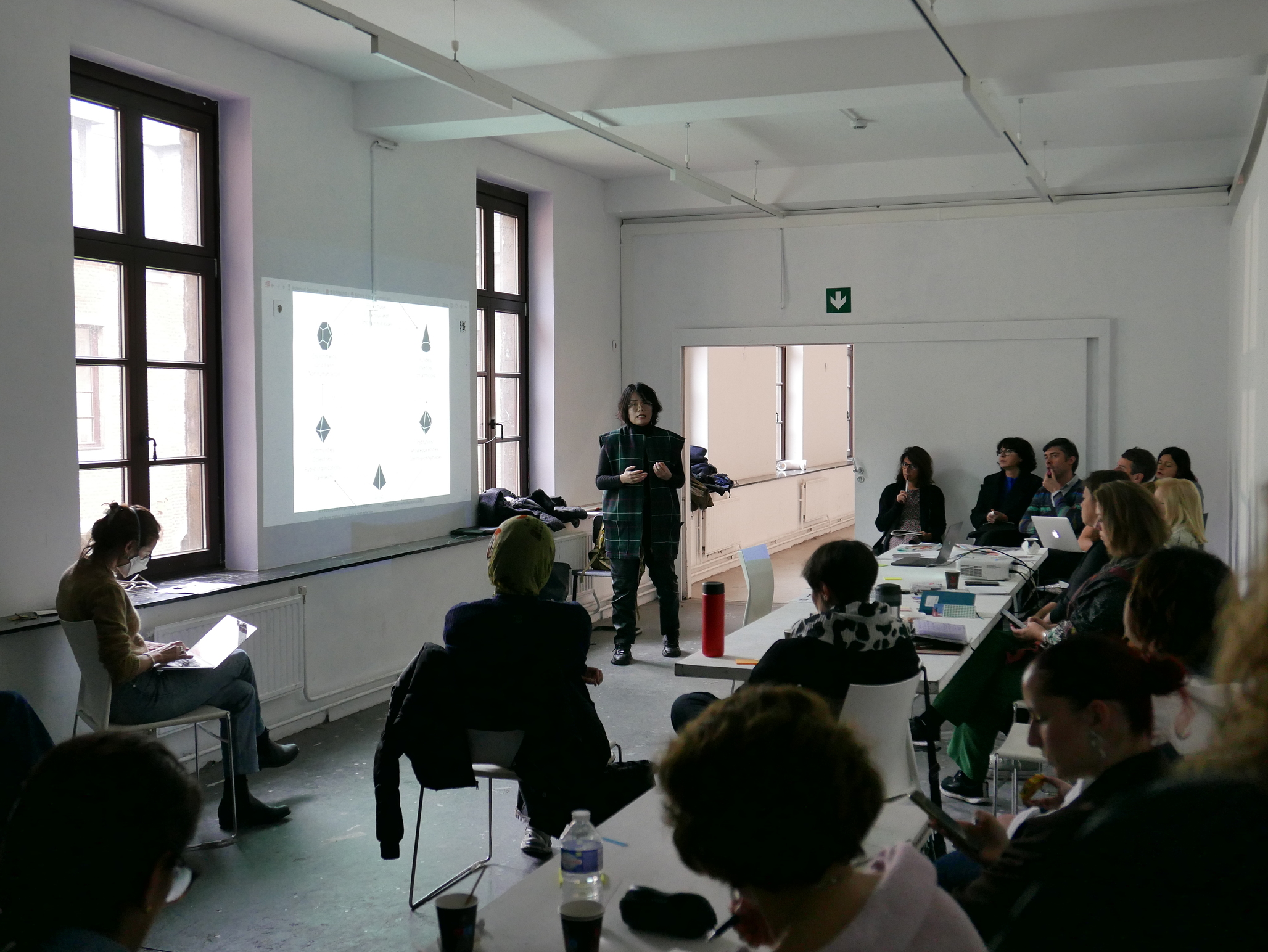
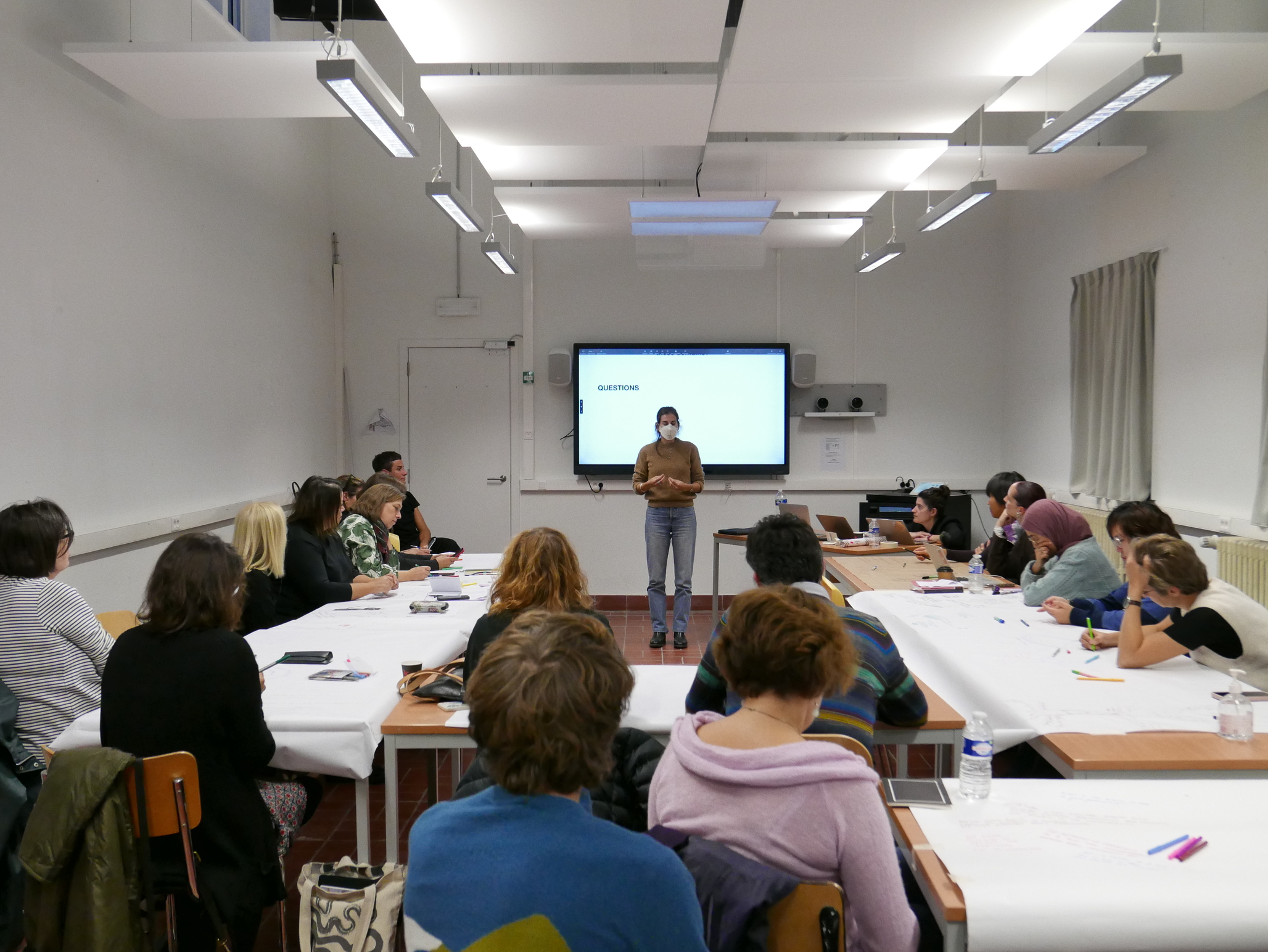
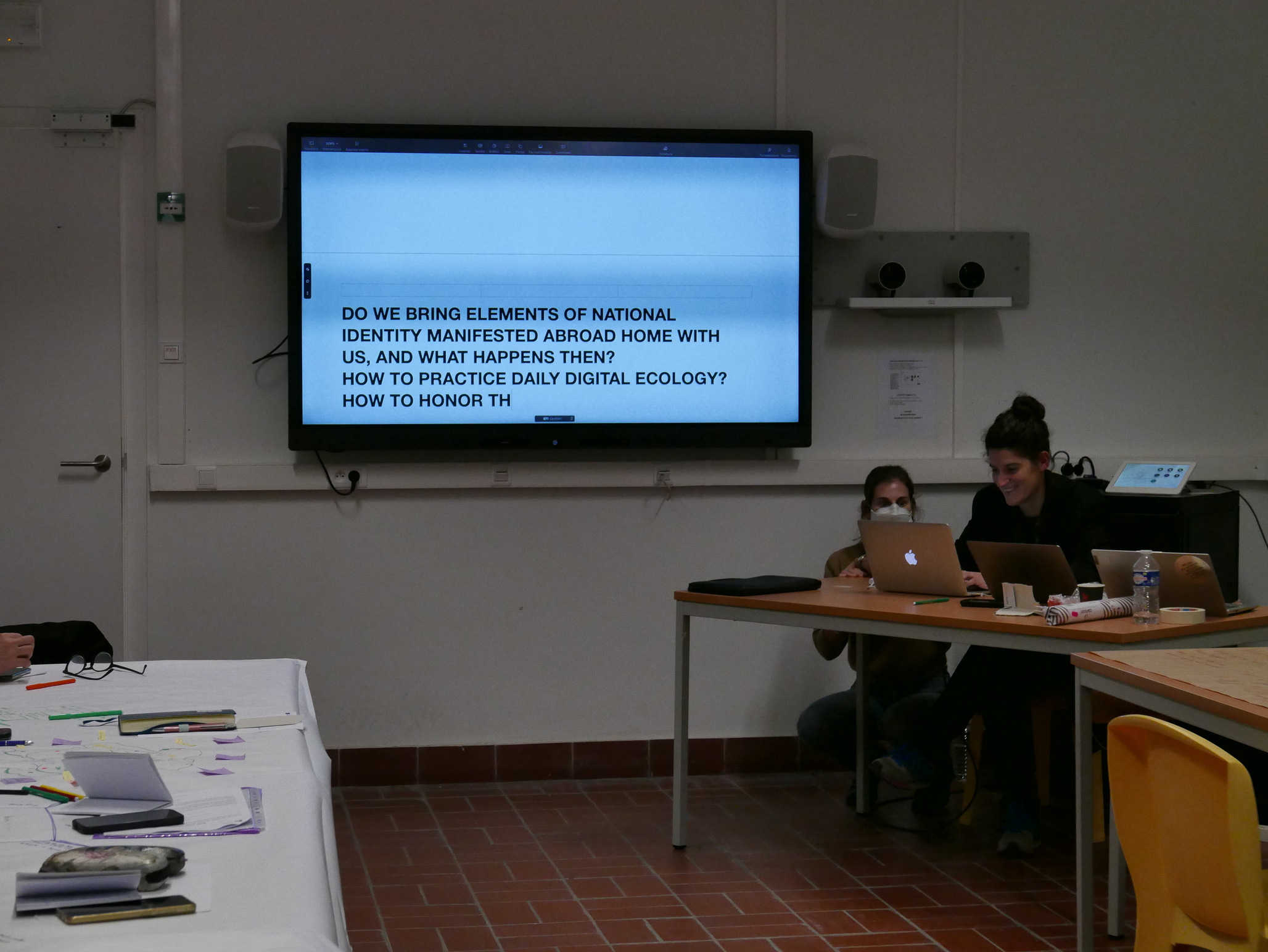
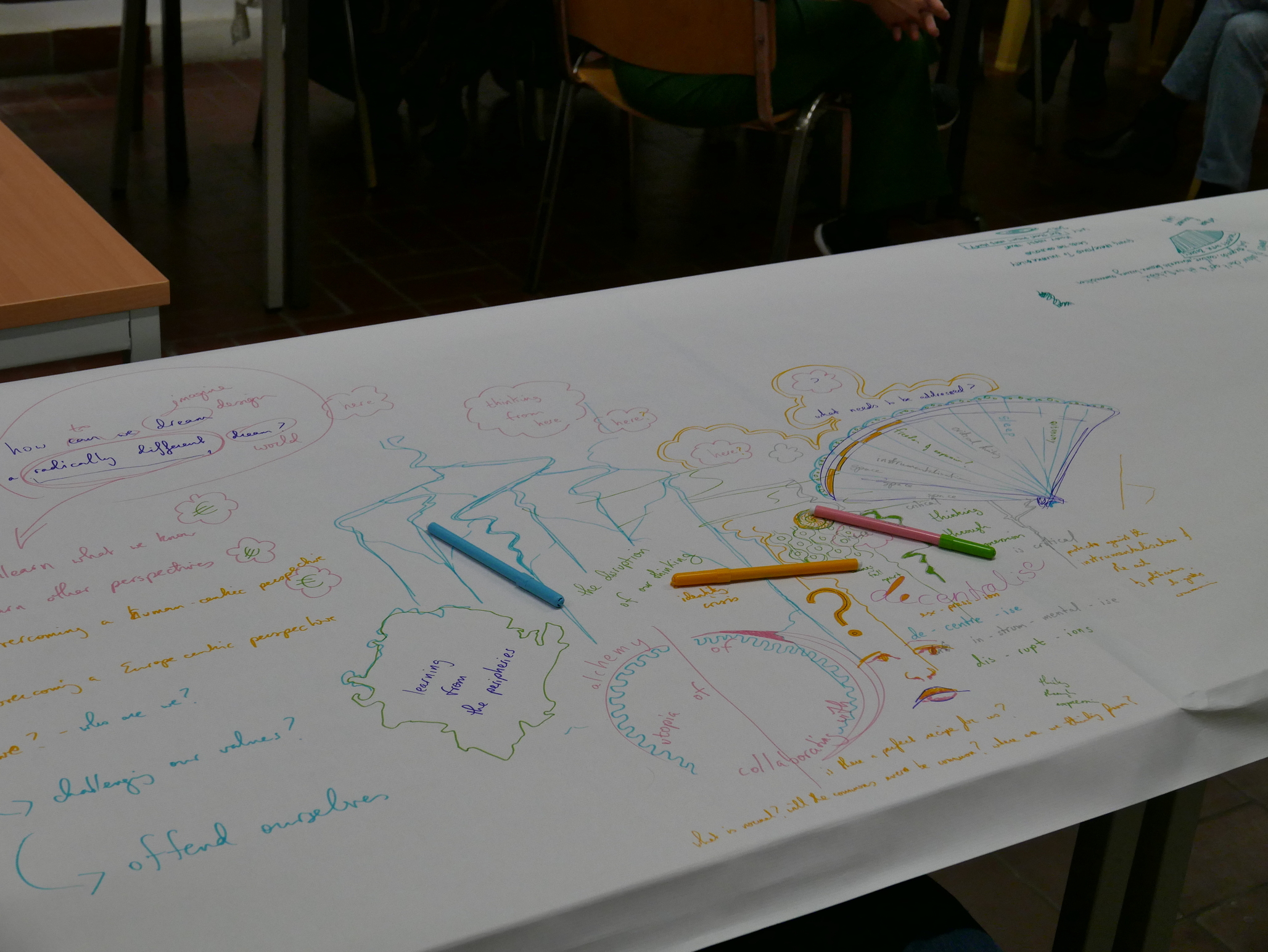
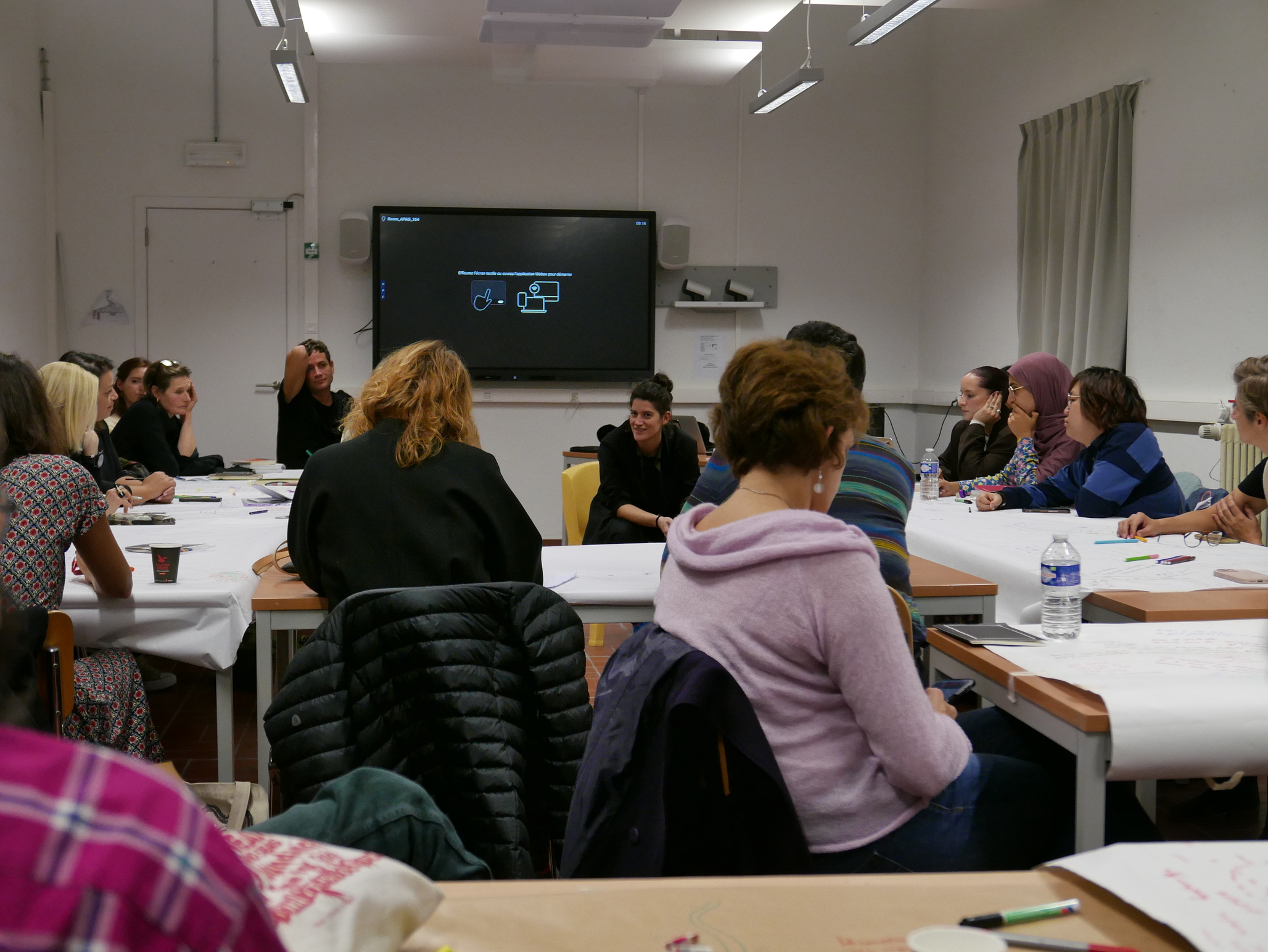
10 AM – 1PM Morning studies: three parallel workshops
[WORKSHOP 1]
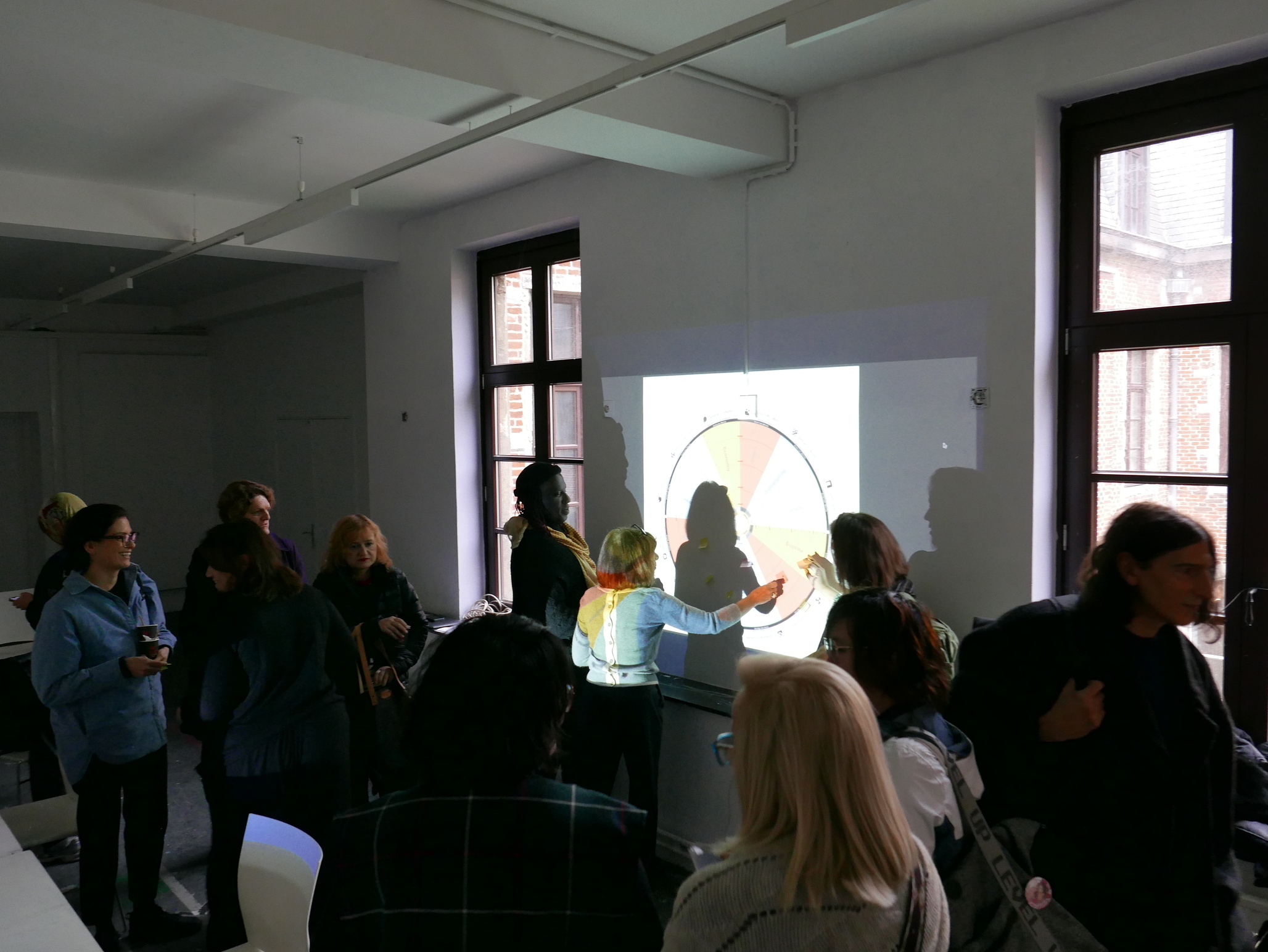
“An arts economy rooted in community? But, what is a community?” led by Alchemy of Commons (Aiwen Yin)
hosted by Denise Araouzou
Guiding questions: How are systemic and personal crises interdependent, and how is the art economy implicated and affected by them? How could art economies rely instead on forms of kinship, equitable networks and relational values to thrive?
Workshop: The board game Alchemy of Commons invites anyone working in the arts who are curious about or have experience in collaborative and collective practice configurations to imagine a care-based art economy. The purpose of the Alchemy of Commons is to guide imagination and experimentation towards new kinds of art economies that support socially-engaged arts and activism while addressing their needs and embodying their values.
Responding to: The symptoms of being governed by the GDP metric – a legacy of the colonialist imperialist British Empire, further entrenched during WWII – which ignores individual, collective, planetary limits and interdependencies are evident in the escalating and coinciding instabilities across socio-economic, ecological, and political layers. Misleading definitions of progress have also defined the conditions under which creative workers live, form relationships, and work. Artists and creative workers are often forced to navigate precarity, artificial scarcity and market-oriented demands while struggling to remain creative in a socio-political climate which increasingly reduces funding for the arts, devalues artists’ contribution to democratic, pluriversal and equity-centred societies. Artists and collectives proposing other ways of being to the dominant extractivist model through activism, or socially response-able projects rely increasingly on alternative and solidarity economies to work.
[WORKSHOP 2]
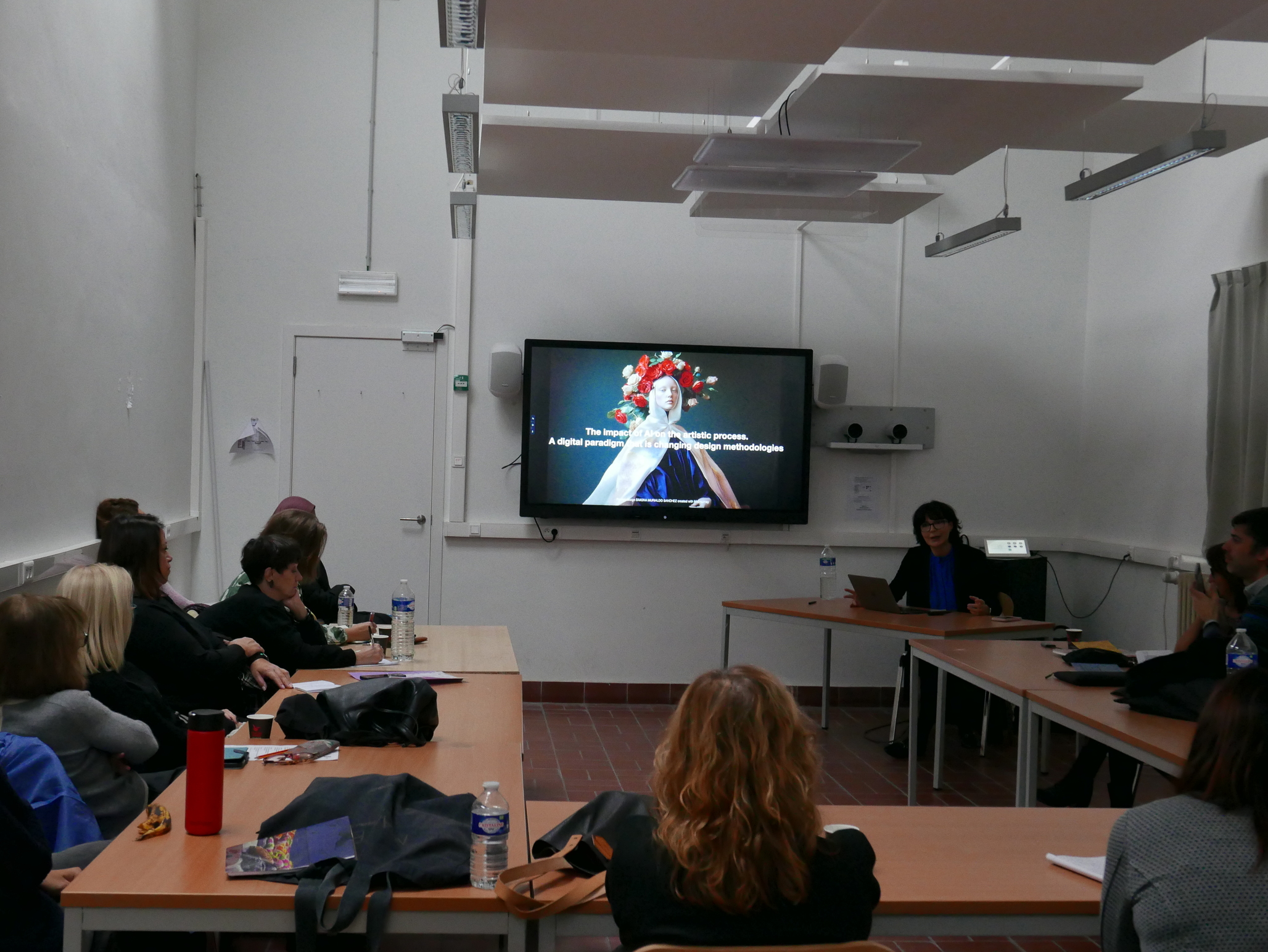
“Virtualization technology and labour: digital production, intellectual property after AI” led by Valentina Vetturi and Simona Murialdo Sànchez
hosted by Alessandro Castiglioni
Guiding questions: What is the destiny of many creative professionals in front of artificial intelligences and learning machine possibilities? How does it change the way of spreading knowledge, of being artists? What creative freedom is possible outside contemporary information regimes? Should we oppose it, rebel or is the best strategy to adapt?
Workshop: Topics include intellectual property rights in AI-generated art, ethical considerations in machine learning algorithms, and the impact of AI on the artistic process. Participants will engage in discussions, examples of exercises with the invited experts to foster a better understanding of how AI is reshaping the relationship between technology and art and finding ways for exploring the possibilities of protecting – or reconsidering – authorship in the EU context.
Responding to: Creativity, practices, education, social transformations: how are they influenced by a digital paradigm that is changing design methodologies, the way in which we know and, at the same time, replicates and amplifies the injustices, systemic violence and biases of our communities?
[WORKSHOP 3]
“Artists’ rights in a diasporic perspective: citizenship and migrations in the Fortress Europe” led by Francisco Godoy Vega and Li Yuchen
hosted by Simone Frangi
Guiding questions: Who has the right to have rights as an artist in Europe? What does it mean to operate as a migrant artist in Europe? Are artists’ rights a fundamental part of the struggle for accessing social justice when constantly made precarious by visa procedures and threats of expulsion from Fortress Europe? Which relationship can we trace between creative labour as a platform of the border control system and extreme practices of sanitation of the European territory?
Workshop: This workshop aims at complexifying the understanding of the question of artists’ rights in Europe from a diasporic perspective which takes into account the burden of migration/exile laws and the glass ceiling of European legality.
Responding to: The discussion on artists’ remuneration rights and artist’ social protection policies is often romanticised and de-historicised when tackled exclusively from an unquestioned white Eurocentric perspective which gives citizenship – and all the satellite rights that come with it (from the right to health to the access to housing and education) – for granted.
1 PM – 3 PM Lunch Break
3 PM – 6.30 PM Afternoon studies: Threading the shifts
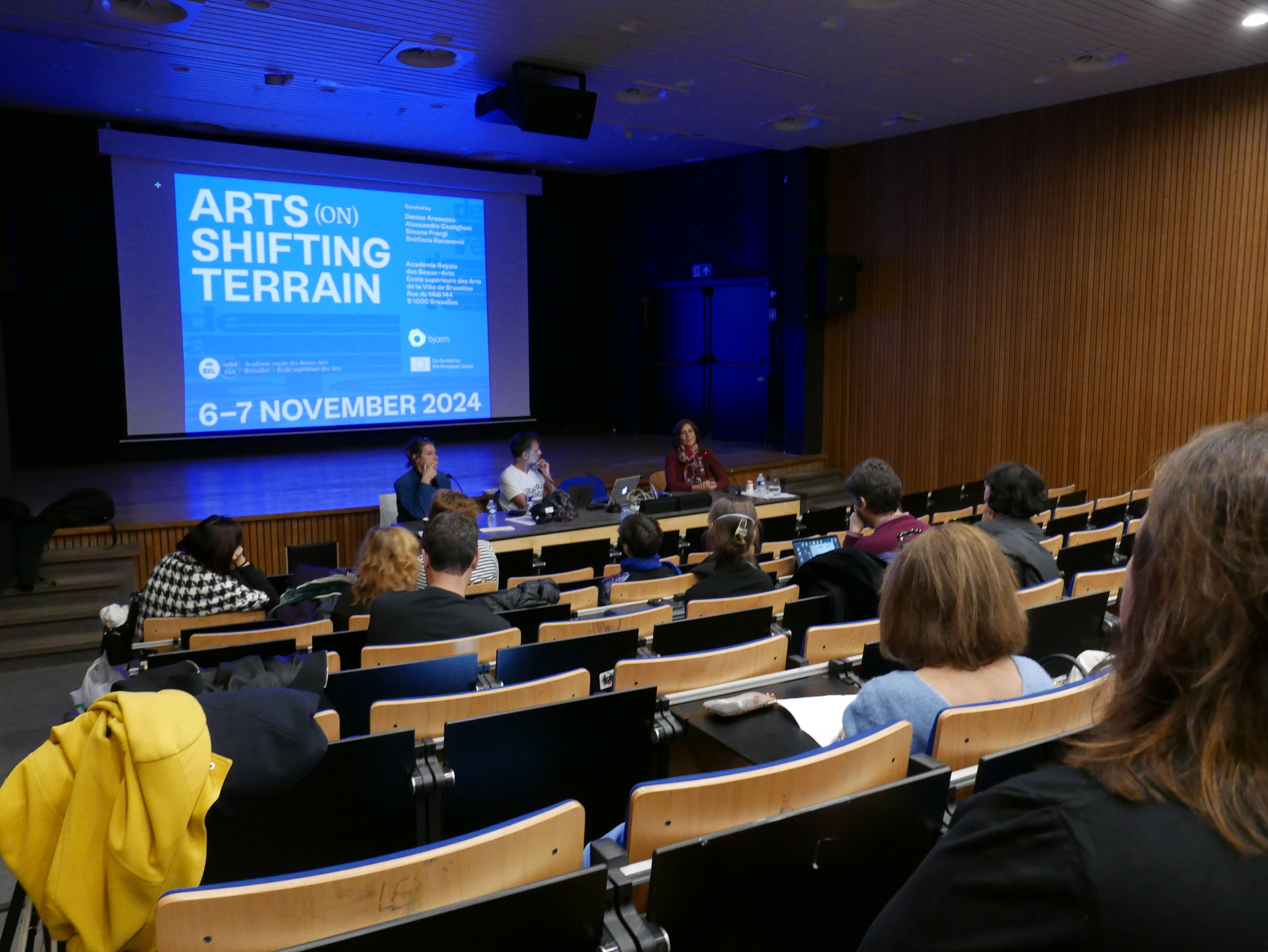
The afternoon threads together the discussions, ideas and topics explored during the workshops in the format of an assembly that aims to synthesise, together with the public, ways of thinking and doing that could be useful for cultural workers in traversing certain socio-political and economic systems and realities that contribute to ever shifting and precarious ‘terrains’.
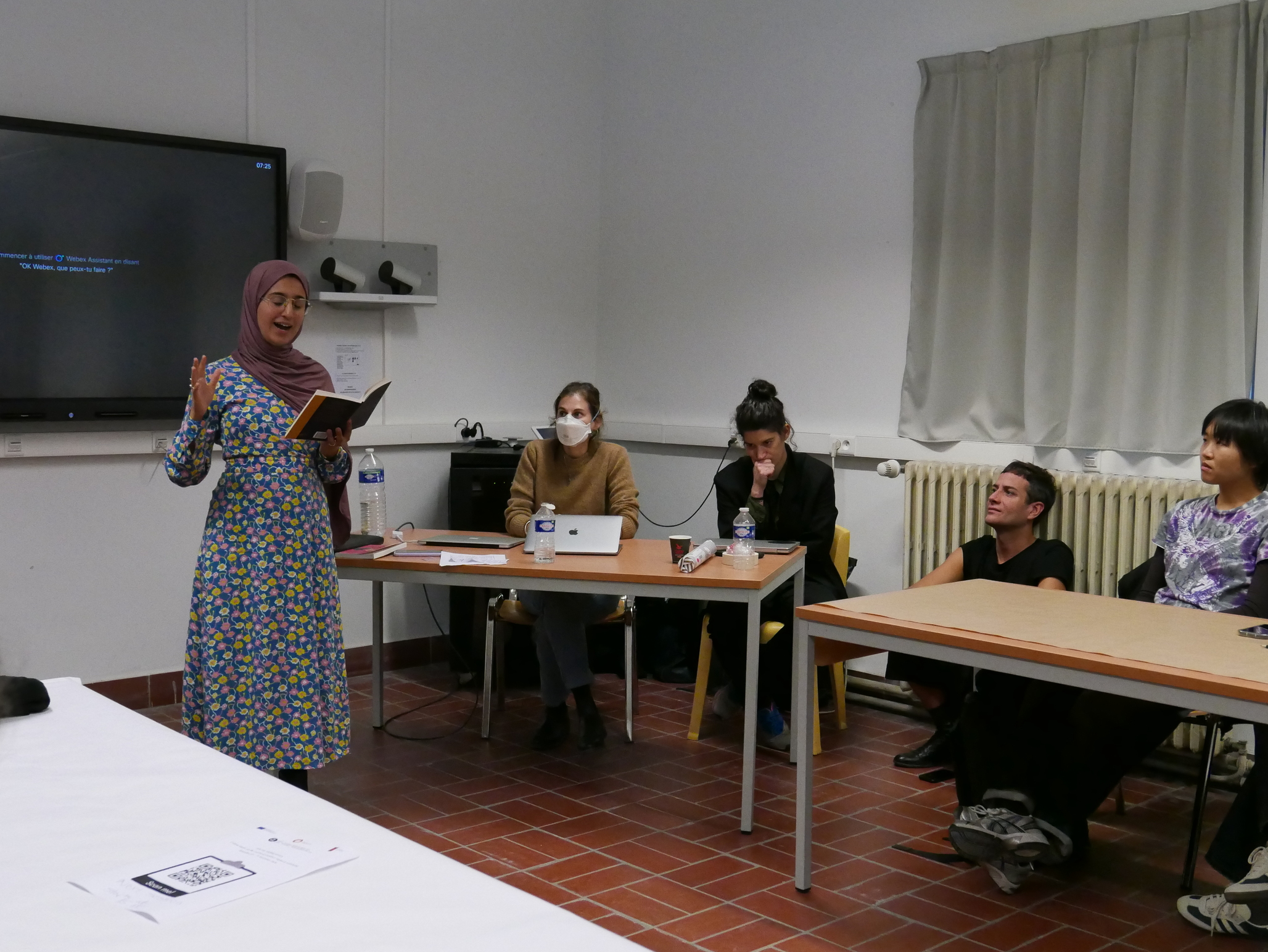
Opening with poetry by Suhaiymah Manzoor – Khan
Introductions and reports by Denise Araouzou, Alessandro Castiglioni, Simone Frangi and Svetlana Racanović Assembly with facilitation by Marianna Takou, Director at Casco
Closing with poetry by Suhaiymah Manzoor – Khan
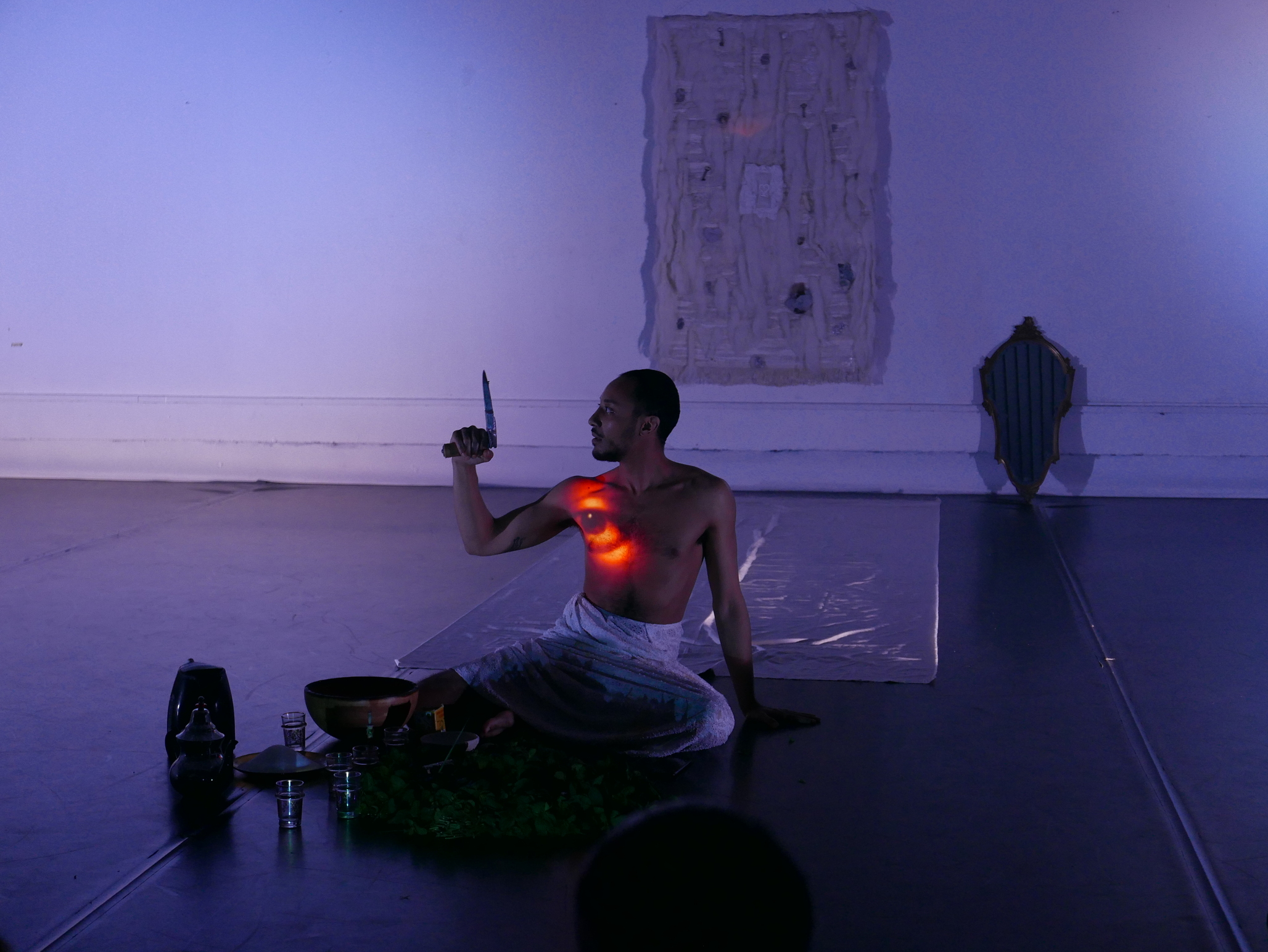
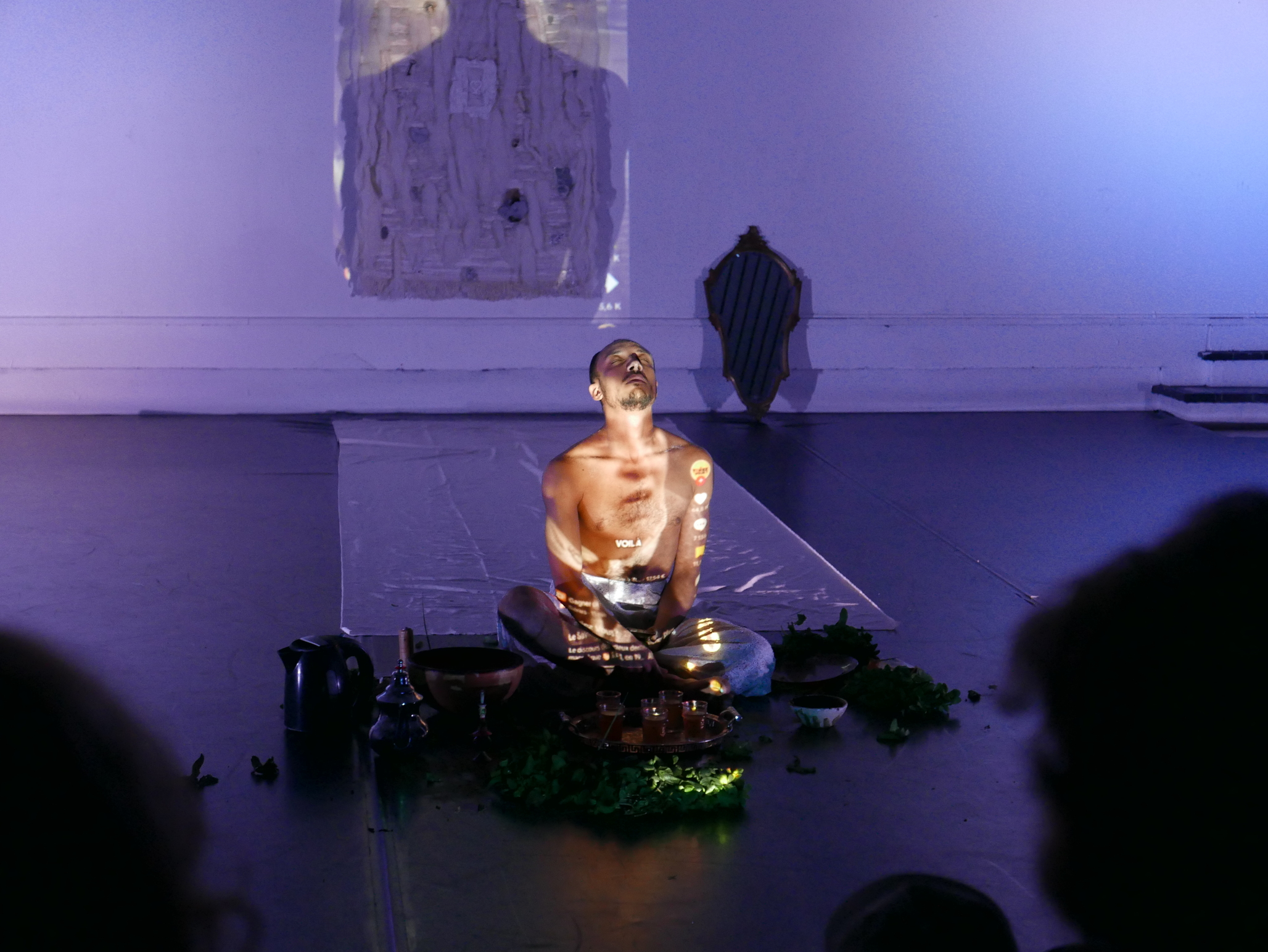
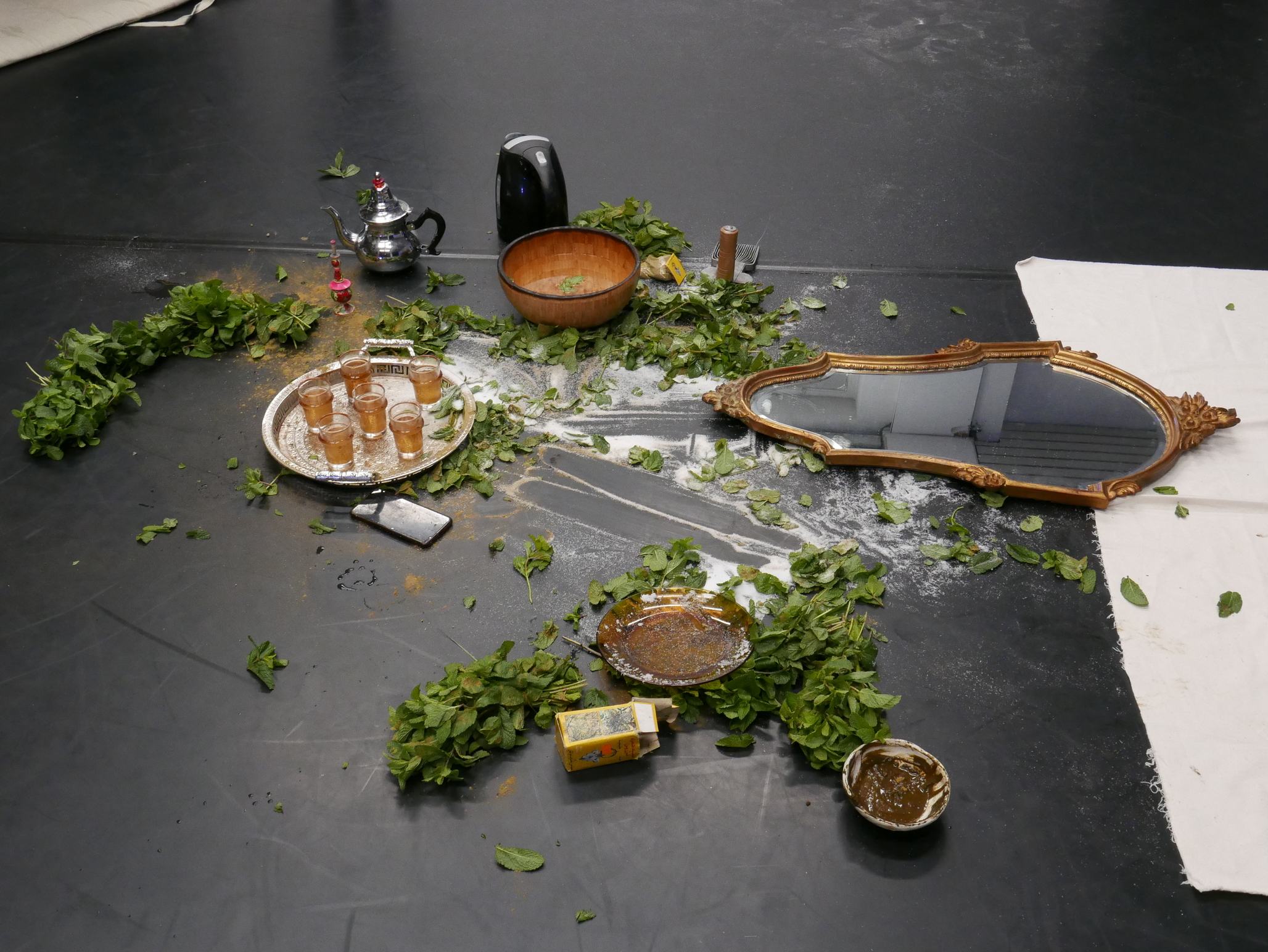
6.30 PM – 7.15 PM Evening studies: A performance by Nabil Ennassouh
7.15 PM – 8 PM Drinks
[7th NOVEMBER 2024]
9 AM – 9.30 AM Registration
9.30 – 9.50 AM Welcome speech
Christine Bluard, Director of Académie Royale des Beaux-Arts – Ecole supérieure des Arts de la Ville de Bruxelles
Mercedes Giovinazzo, BJCEM President
10.00 AM – 12.30 PM Morning Studies: Advocacy campaign Presentation
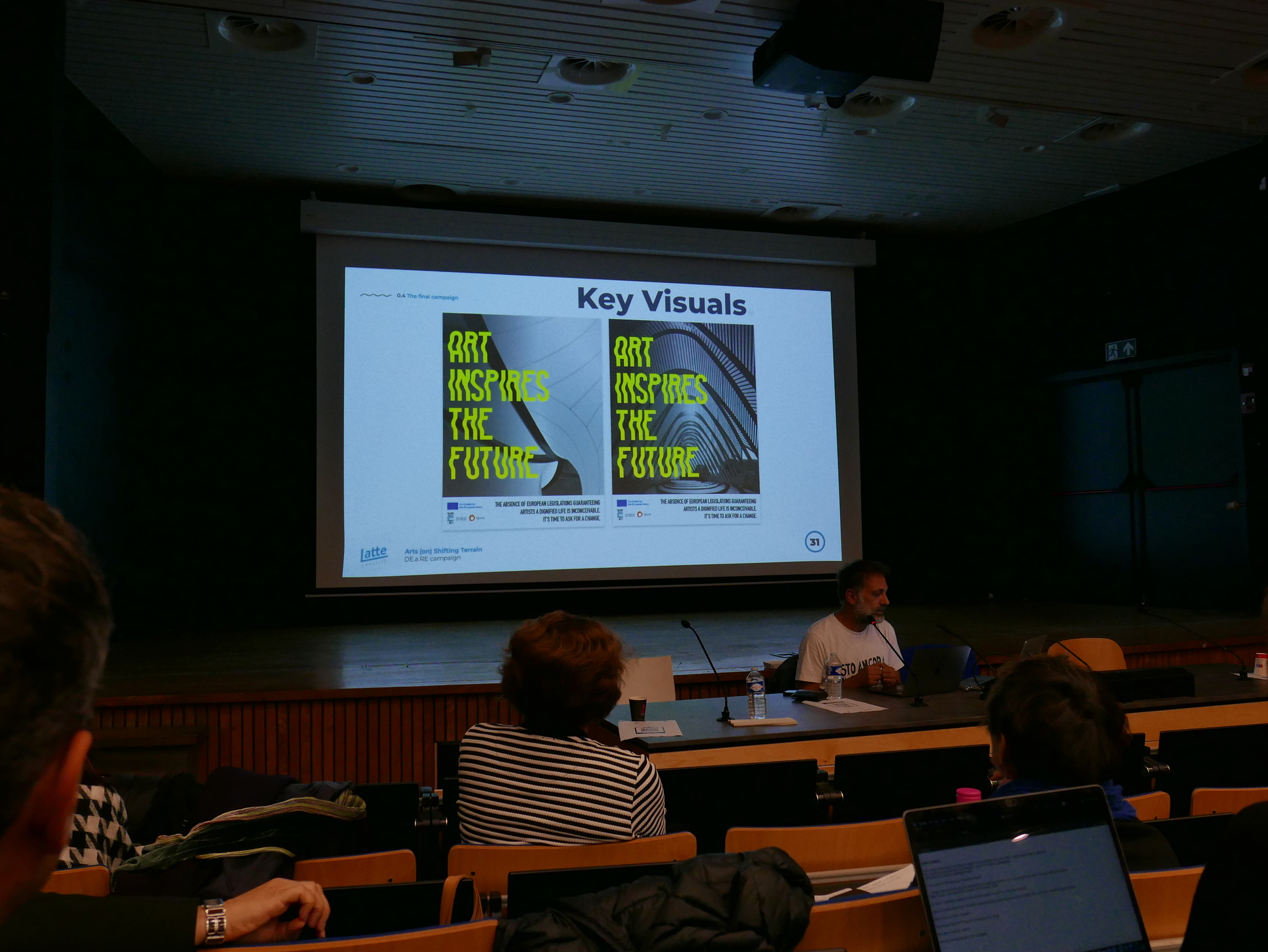
The second day will begin with the launch of the DE.a.RE Advocacy campaign, presented by Salvatore Barbera – Latte Creative. This campaign, shared across the EuroMed region, has the two-fold purpose of awareness-raising and advocacy. It aims to communicate to the general public and those who hold influence in the administration and promotion of creative and artistic sectors three main points:
– What creative and artistic work is today and how it is interconnected to and contributes to the societies and the communities they are embedded in
– How the material realities and needs of most artists are not met because of a detached art market, the politics of art institutions and the reduction of public funding in the arts
– How the inequities present within the arts economy reflect and are worsened, by forms of discrimination and social prejudices present within our societies
A key reference of the session will be the survey BJCEM launched on the working conditions, needs and concerns of artists across the EuroMed region. This session will contribute to ongoing discussions and strategic action of ensuring fair practices in the creative sector and by outlining a strategy to mobilise support throughout layers of governance and civil society.
Respondants: Biljana Tanurovska Kjulavkovski and Tsveta Andreeva moderated by Svetlana Racanović
Program organised by BJCEM, and co-funded by the European Union (Grant Agreement Project 101052900)